
Your Health

Brain and Cognitive Health

How you think and feel influences everything else.

Mood, memory, focus, sleep issues – they’re often the first sign something’s off, but they rarely have one single cause. Stress, nutrition, physical health, hormones, life circumstances – the brain doesn’t work in isolation from the rest of you.

We start by deeply understanding that broader picture. From there, the next steps might include lifestyle changes, exercise modification, nutritional support, counselling, cognitive exercises, appropriate medication, or evidence-informed natural therapies. What fits depends on you – the actual person in front of us.

We’re not just aiming to ease symptoms, we want you thinking, feeling and functioning at your best. We often coordinate with your GP and other providers so your care fits alongside what’s already in place.
Conditions we often see include

  • Stress and burnout
  • Anxiety and low mood
  • Memory, concentration and cognitive performance
  • Sleep-related cognitive concerns
  • Healthy brain ageing
  • Support for Parkinson’s Disease
  • Support for Alzheimer’s and Dementia, including for families

FAQs

Often, yes. Feeling foggy or forgetful is common, and it’s frequently linked to things we can work on, such as poor sleep, stress, hormonal changes like perimenopause, low iron or B12, thyroid issues or blood sugar swings. The practitioners will look at what might be contributing for you and help you build habits that support a clearer, sharper mind. If you’ve noticed significant changes in memory, we’d recommend starting with a GP consultation.

It’s a common worry, and there’s encouraging news. Research suggests nearly half of dementia cases may be linked to factors we can influence, including blood pressure, blood sugar, hearing loss, physical activity and social connection. The practitioners can help you understand your own risk factors and build a plan to look after your brain for the long term.

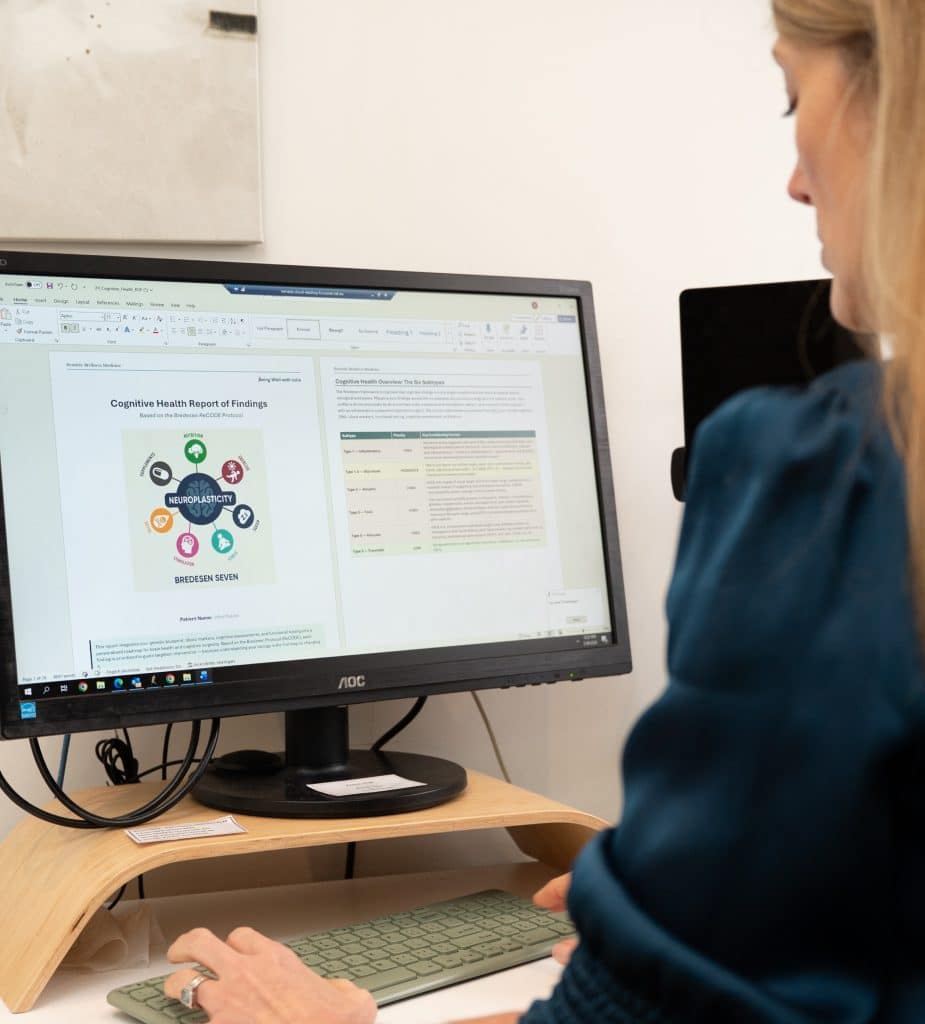
ReCODE 2.0 is a personalised approach to brain health, based on the Bredesen Protocol developed by neurologist and researcher Professor Dale Bredesen. It looks at the many factors that can affect cognitive function, including inflammation, blood sugar, hormones, nutrition, sleep, toxin exposure and blood flow to the brain.

Naturopath Julia Smith is a ReCODE 2.0 trained practitioner and uses detailed testing to build an individual plan for each person, working alongside your GP. It may suit people with a family history of dementia, those noticing changes in memory or focus, women in perimenopause or menopause, or anyone over 40 wanting to be proactive about their brain health.

Cognitive decline doesn’t have a single cause. The ReCODE 2.0 protocol looks at more than 36 possible contributing factors, including inflammation, blood sugar, hormones, nutrients, toxins, sleep and blood flow to the brain.

Julia’s assessment includes blood tests, genetic testing, cognitive assessments and other functional tests where relevant. These help her identify your main drivers and build a plan around your own results. She compares your results with ranges linked to long-term brain health, not just standard “normal” ranges.